Inscripta Brings Next-Generation Speech Recognition to Hospitals and Healthcare
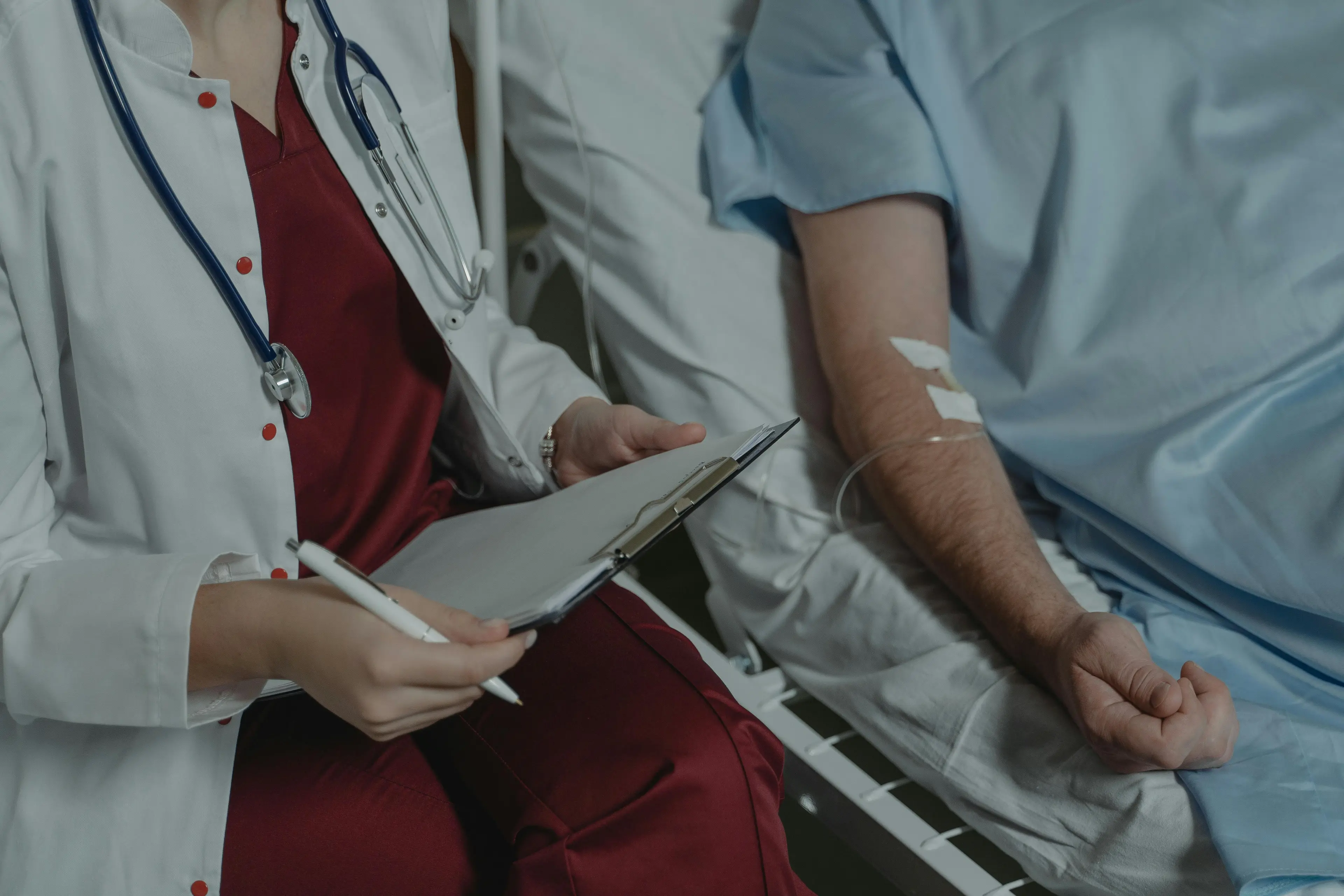
Digital documentation still consumes a significant portion of physicians’ and healthcare professionals’ working hours. Recording patient information, preparing reports, and daily dictation place a considerable administrative burden on healthcare staff, even though the goal is to dedicate more time to patient care. In this environment, Inscripta offers a modern solution specifically designed for the needs of healthcare organizations.
Speech Recognition for Hospitals Reduces Documentation Time
Modern speech recognition for hospitals is no longer just a dictation tool—it has become an integral part of the clinical workflow. Inscripta’s solution enables real-time documentation, where spoken words are instantly converted into text without separate transcription steps. This accelerates documentation and helps physicians focus on providing care rather than managing paperwork.
In healthcare, documentation efficiency directly impacts patient flow, staff well-being, and resource utilization. As a result, more organizations are seeking effective speech recognition for healthcare solutions that can be used daily across a variety of clinical environments.
Medical Speech Recognition Designed for Healthcare Professionals
Standard speech-to-text technology is not always sufficient for the complex terminology used in healthcare. Medical speech recognition can recognize specialized terms, diagnoses, examinations, and treatment protocols far more accurately than general-purpose speech recognition solutions.
Inscripta has developed its AI-powered technology specifically for healthcare use. According to the company, the solution helps professionals document faster and more accurately while meeting strict data security requirements. All data is processed within the European Union, which is particularly important when handling sensitive patient information.
Healthcare Speech Recognition Supports Efficient Patient Care
Modern healthcare speech recognition is more than a standalone software application. It becomes part of the daily work environment for healthcare professionals, enabling fast documentation in clinics, hospital wards, laboratories, and remote work settings.
According to Inscripta, users save an average of approximately 45 minutes of working time per day. Over the course of a year, this translates into substantial time savings and creates more opportunities to focus on patient care.
A Hospital Dictation Solution Without Complex Integrations
For many healthcare organizations, ease of implementation is a critical selection criterion. A reliable hospital dictation solution should work alongside existing systems without requiring costly and complex integration projects.
Inscripta’s solution is designed to work with a wide range of electronic health record systems. Users simply place the cursor in the desired field and begin dictating immediately. This enables rapid deployment while reducing both costs and risks associated with IT projects.
Physician Dictation Software Improves Workflow Efficiency
Many physicians are looking for effective physician dictation software that is easy to use and highly accurate, even in busy clinical environments. Real-time speech recognition eliminates the need to listen to and manually edit lengthy dictation recordings afterward.
Because text appears instantly on the screen, physicians can review documentation immediately and make any necessary corrections on the spot. This streamlines the entire documentation process and reduces administrative workload.
Physician Speech Recognition Is Becoming More Common in Healthcare
Physician speech recognition has become increasingly common, particularly within large healthcare organizations. For example, Fimlab has implemented Inscripta’s technology within its pathology operations, and according to the company, at least two-thirds of physicians now use direct speech recognition as their primary documentation method.
This development demonstrates that speech recognition has evolved into a practical and valuable tool for everyday clinical work.
Patient Documentation Speech Recognition Accelerates Clinical Documentation
In healthcare, the quality of documentation is a critical part of the care pathway. Patient documentation speech recognition enables information to be recorded quickly and as close as possible to the patient encounter itself.
When documentation is created in real time, information also becomes available more quickly. This can reduce delays in care processes and help healthcare professionals make decisions based on the most up-to-date information.
Clinical Speech Recognition Supports Multiple Medical Specialties
Clinical speech recognition is suitable for a wide range of use cases, including outpatient visits, laboratory work, radiology, pathology, and specialist healthcare documentation.
Because clinical environments rely heavily on specialized terminology, recognition accuracy plays a crucial role. Inscripta has invested in the development of advanced AI models and utilized Finnish high-performance computing resources to further improve speech recognition quality.
Medical Speech Recognition Is the Future of Clinical Documentation
As healthcare continues to digitalize, medical speech recognition will become an increasingly important part of hospital and healthcare operations. Organizations are actively searching for solutions that reduce administrative work, accelerate documentation, and support staff well-being.
Inscripta Direct represents a new generation of speech recognition technology that combines artificial intelligence, data security, and practical healthcare requirements. As healthcare providers strive for more efficient documentation, better patient experiences, and smoother workflows, speech recognition has become an essential component of modern healthcare.

Lasse Mäkinen
Sales Manager, Inscripta
Contact us and our experts will tell you more.
Would you like to hear more about the benefits of speech recognition?
Would you like to hear more about the benefits of speech recognition?