
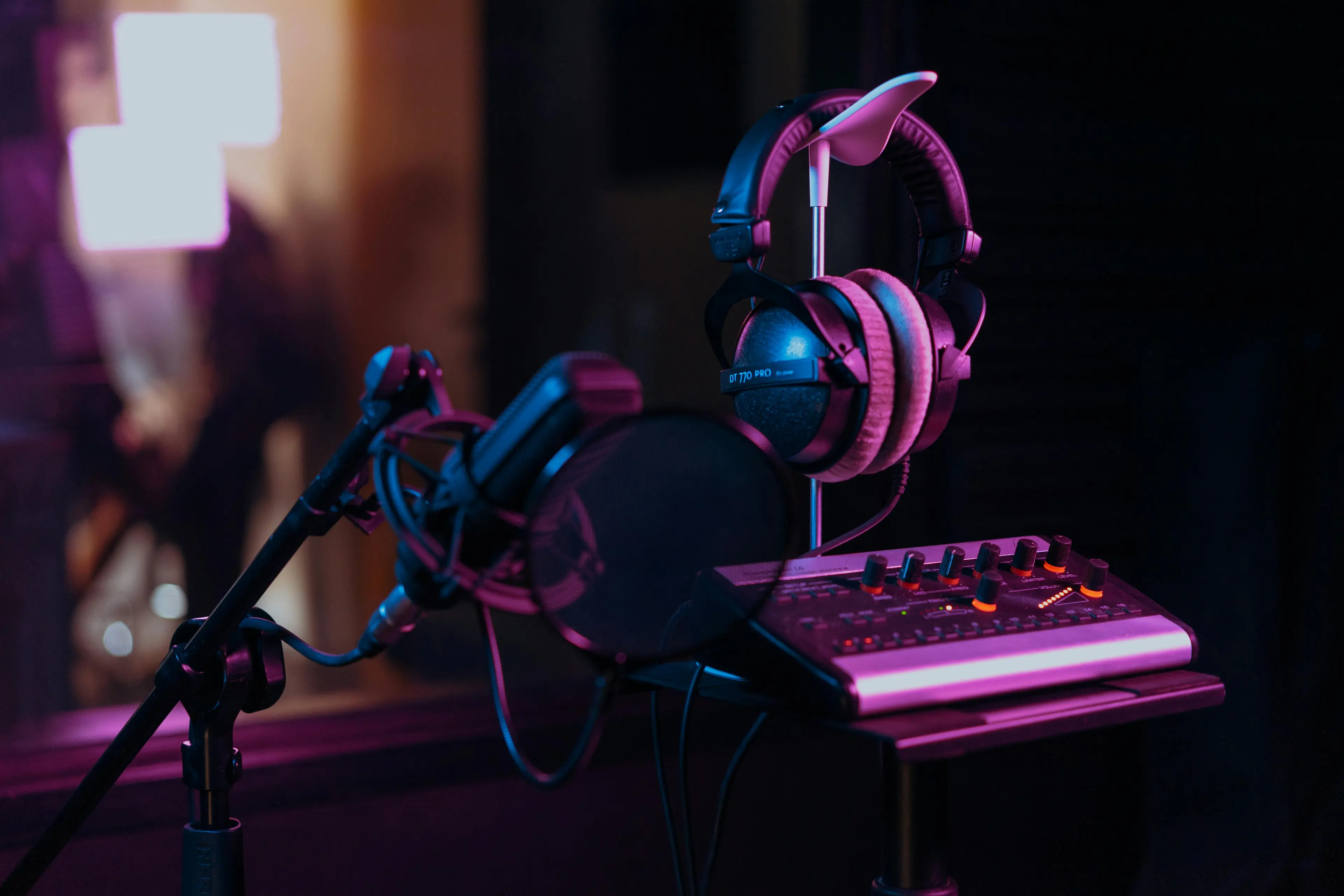
Speech Recognition Software
Speech recognition software has become an essential tool in modern healthcare, transforming the way clinicians create and manage medical documentation. Traditionally, doctors and nurses have spent a significant portion of their time typing notes, filling out electronic health records (EHRs), and completing administrative tasks. With the increasing demand for accurate patient records and faster workflows, healthcare organizations are turning to advanced speech recognition solutions to streamline documentation processes.
At its core, speech recognition software converts spoken language into written text. Using artificial intelligence (AI), machine learning, and natural language processing, these systems analyze audio input and automatically transcribe it into structured documentation. In healthcare settings, this technology enables clinicians to dictate notes, reports, and patient information directly into electronic systems, reducing the need for manual typing and improving overall efficiency.
The Role of Speech Recognition in Healthcare
Healthcare is one of the most documentation-heavy industries. Physicians must record diagnoses, treatments, patient histories, and other critical information for every consultation. This administrative burden often consumes valuable time that could otherwise be spent with patients.
Speech recognition software addresses this challenge by allowing clinicians to document patient interactions through voice dictation. Instead of typing reports after an appointment, healthcare professionals can speak naturally while the system transcribes the conversation in real time. This significantly accelerates the documentation process and ensures that information is captured immediately during or after patient encounters.
Modern speech recognition systems can also integrate directly with EHR platforms. This means that dictated notes can automatically populate patient records, referral letters, discharge summaries, and other documents. Such integration simplifies workflows and reduces the need for manual data entry.
How Inscripta Direct Speech Recognition Works
Inscripta Direct speech recognition—also called front-end speech recognition—is a form of voice technology that transcribes speech instantly as it is spoken. In healthcare environments, clinicians typically use a microphone or headset connected to their computer or mobile device. The software processes the audio input and converts it into text within the medical documentation system.
These systems are trained on specialized medical vocabularies, enabling them to recognize complex terminology, drug names, and abbreviations. As a result, they can achieve high levels of accuracy when transcribing clinical conversations. In optimal conditions, speech recognition technology can reach accuracy rates of around 98%, making it suitable for professional documentation tasks.
Many solutions also include voice commands that allow users to edit text, insert templates, navigate fields, or format reports without touching a keyboard. This hands-free functionality is particularly useful in busy clinical environments where efficiency and speed are critical.
Key Benefits of Speech Recognition Software
1. Faster Documentation
One of the biggest advantages of speech recognition technology is speed. Most people can speak significantly faster than they can type. By dictating notes instead of typing them manually, clinicians can create medical documentation more quickly and reduce the time spent on administrative tasks.
2. Improved Workflow Efficiency
Speech recognition software allows healthcare professionals to capture information instantly during consultations. This real-time documentation eliminates the need for later transcription and minimizes the risk of forgetting important details.
In addition, voice-driven workflows can help healthcare organizations manage documentation more efficiently, improving productivity and reducing operational delays.
3. Enhanced Patient Interaction
When clinicians spend less time typing notes on a computer, they can focus more on communicating with patients. Speech recognition enables healthcare professionals to maintain eye contact, listen more attentively, and provide better care during consultations.
Improved interaction between clinicians and patients can lead to stronger relationships, increased patient satisfaction, and better health outcomes.
4. Reduced Administrative Burden
Administrative workload is one of the main causes of stress and burnout among healthcare professionals. Speech recognition technology reduces this burden by simplifying documentation processes and enabling faster report creation.
By automating transcription tasks, healthcare organizations can also reduce reliance on manual transcription services and decrease operational costs.
5. Higher Data Quality and Accuracy
Accurate documentation is essential for patient safety, regulatory compliance, and healthcare analytics. Speech recognition software can help capture detailed clinical narratives and structured data more efficiently than manual typing.
Because many systems are trained on medical terminology and specialized language models, they can accurately interpret complex medical vocabulary and maintain consistent documentation standards.
Challenges and Considerations
Despite its advantages, speech recognition software is not without challenges. Accuracy can still be affected by background noise, accents, or unclear speech. Clinicians may also need time to adapt to dictation-based workflows and learn how to use voice commands effectively.
Privacy and data security are another important consideration. Healthcare organizations must ensure that speech recognition systems comply with data protection regulations and protect sensitive patient information. Secure cloud platforms, encryption, and compliance frameworks are often required when implementing these solutions.
Additionally, healthcare providers must carefully evaluate software vendors, integration capabilities, and training requirements before adopting speech recognition technology.
The Future of Speech Recognition in Healthcare
Speech recognition technology continues to evolve rapidly. Advances in AI and natural language processing are improving transcription accuracy, contextual understanding, and multilingual support. New systems can even differentiate between speakers during clinical conversations and automatically generate structured medical notes.
The global voice recognition market is expanding quickly, with healthcare playing a major role in its growth. The market is projected to grow significantly in the coming years as hospitals and healthcare providers adopt more advanced voice technologies.
Looking ahead, speech recognition is expected to integrate more deeply with AI-driven clinical documentation tools, ambient listening systems, and automated reporting platforms. These innovations will further reduce administrative workloads and allow clinicians to focus on what matters most—delivering high-quality patient care.
Conclusion
Speech recognition software is transforming healthcare documentation by enabling faster, more efficient, and more accurate clinical workflows. By converting spoken words into structured text in real time, this technology helps clinicians reduce administrative burdens, improve patient interactions, and maintain comprehensive medical records.
As artificial intelligence continues to advance, speech recognition systems will become even more powerful and reliable. For healthcare organizations seeking to optimize documentation processes and improve efficiency, adopting speech recognition technology represents a significant step toward a more modern and patient-focused healthcare system.
Inscripta Direct is an AI-powered speech recognition solution designed to simplify documentation in healthcare. It allows professionals to dictate patient records directly into text in real time, speeding up workflows and reducing administrative burden. The system’s key strengths include high recognition accuracy, easy deployment, wide device compatibility, and strong data security.
As speech recognition technology continues to evolve, its importance in healthcare will only increase. It offers the potential to streamline workflows, improve job satisfaction, and most importantly, free up more time for patient care.

Lasse Mäkinen
Sales Manager, Inscripta

Contact us and our experts will tell you more.
Would you like to hear more about the benefits of speech recognition?
The future of healthcare is not just about faster typing or smarter software — it’s about human connection, enhanced by technology, so that clinicians can focus on what truly matters: the patients in front of them.